
"water wash"
20000 article(s) found

The most complete coffee beans are picked from trees to roasted and matured, washed, sunburned in Brazil, etc.
After the planting and harvest of the manor, the next step is the most important step in addition to the variety and planting land: "post-harvest treatment". At present, most of the treatment methods are mainly sun exposure, semi-washing and water washing, and there are also several special treatment methods: honey treatment, in vivo treatment, and so on. Many people are sharing these treatments on the Internet, no matter how I write them.

Is the flavor of Yejia Fischer coffee beans good? the difference between classic washing and sunbathing Yega Chefee coffee
For the exchange of professional baristas, please follow the coffee workshop (Wechat official account cafe_style) ETHIOPIA,YIRGACHEFFE,KOCHERE1995 year, Ethiopia will redivide the area, we are familiar with Yirgacheffe.

White Honey Coffee Coffee tends to use Machine Water to wash Honey Coffee tends to use machine water to use semi-water washing.
Professional coffee knowledge exchange more coffee bean information please follow the coffee workshop (Wechat official account cafe_style) what is honey treatment? Coffee beans are not really beans, but the seeds of coffee fruit, while coffee is a red fruit when ripe, and may have a yellow and orange appearance depending on the variety. But there are still several layers of matter to be removed from the outer layer of the fruit before the coffee bean is roasted.

Tanzania Mbeya region| Sangura Sangura Processing Plant Washed Red Bourbon Flavor and Brewing
Professional coffee knowledge exchange More coffee bean information Please pay attention to coffee workshop (Weixin Official Accounts cafe_style) Tanzania Mbeya production area| Sangura Sangura Treatment Plant Washed Red Bourbon Flavor and Brewing Reference? Tanzanian coffee is characteristic of Central/East African washed beans with bright acidity and intense flavor. Although Kenya is known for its superior coffee,

What is the long-term coffee treatment plan for the champion water wash coffee field in Plundikuza?
The Gatukuza Champion Water washing site is obtained from the Gatuza Gatukuza Water washing site, located in Ngozi province in Burundi, which is slightly farther than the Cajanza Water washing site (Kayanza) of the "long range Project" (Long Miles). Katukuza was established quite early, completed in 2008, but there was a significant improvement in quality in 2019. They started the area for the first time.

Characteristics of aricha beans washed with Yejiaxuefei Water washing aricha Coffee
For professional baristas, please follow the Coffee Workshop (Wechat official account cafe_style) about the winner of the Project Origin Sasa Sestic,2015 World Barista Competition, who started a raw bean shopping project called Project Origin with his business team ONA Coffee three years ago. The project works directly with coffee growers in poor countries and regions to improve
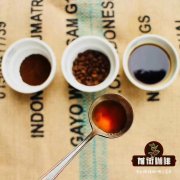
Flavor characteristics of Kenyan Kagumayini washed AA Coffee double washing method
Professional coffee knowledge exchange more coffee bean information please follow the coffee workshop (Wechat official account cafe_style) Kenya Kagumayini washing AA country: Kenya processing Plant: Kamacharia Cooperative production area: Murang (Murangka) Variety: SL28SL34 treatment: washing altitude: 1650 m Grade: AA Flavor: small Tomato, Plum, Wumei, Sweet Almond
Treatment of Coffee fruits-- washing
When the coffee fruit is harvested from the mountain, the next step is to remove the peel and pulp of the coffee beans. There are two main ways of treatment: washing and solarization. But the ultimate determining factor is whether there is enough water to use. Some special boutique coffees are both insolated and washed.
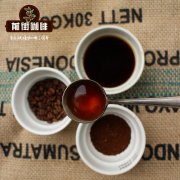
Washed guji flavor flavor taste how Sidamo washed hero see champion style
Professional coffee knowledge exchange More coffee bean information Please pay attention to coffee workshop (Weixin Official Accounts cafe_style) Front Street-Guji washed hero coffee introduction About 1740, the Dutch in the West Indies territory, found that after peeling coffee cherries, this layer of pectin can be easily peeled off after soaking in water fermentation. This was the initial washing process. The Dutch invented the water washing method

The difference between the specification of coffee beans and grade washing / non-washing
a. Washing type / non-washing type: in the sink, after rubbing with water and utensils, the pulp and gum are removed and dried, which is called washed coffee beans with uniform quality. Non-washing type: after the sun is naturally dried, the pulp and peel is removed by a sheller, and its quality is unstable. b. The fruit of flat bean / round bean coffee is made up of two oval seeds opposite each other. The connected side

[evaluation] what is the difference in the taste of sunburn and water-washed Sakuran? Which tastes better?
The exchange of professional baristas please follow the coffee workshop (Wechat official account cafe_style) in March this year, in the China Regional Brewing Competition held in Shanghai, there was a bean from Africa and Ethiopia, which shook one expensive pedigree after another in the posture of a common people, and repelled one by one, and finally lost only narrowly to the champion's Finca Deborah Rose Summer (last year).

The treatment method of raw coffee bean; the detailed introduction of washing method.
When the coffee fruit is harvested from the mountain, the next step is to remove the peel and pulp of the coffee beans. There are two main ways of treatment: washing and solarization. But the ultimate determining factor is whether there is enough water to use. Some special boutique coffees are both insolated and washed. Washing requires the use of special machinery and equipment and adequate water sources.

Water-washed coffee what are the characteristics of washing coffee beans?
Professional coffee knowledge exchange more coffee bean information Please pay attention to the coffee shop (Wechat official account cafe_style) when buying coffee, have you ever paid attention to the treatment of coffee beans? If you are drinking coffee in this way, you must not know how to taste coffee. You might as well order a cup of fine coffee next time, look at the producing area and treatment of these coffee, listen to the barista's explanation, and taste it carefully.

Description of taste and flavor of coffee bean washing method introduction of characteristics of varieties in producing areas
The description of the taste and flavor of the coffee bean washing method the introduction of the variety characteristics of the producing area is that the red fruit is dried directly and then forced to peel and peel. In this way, beans are often defective and not very beautiful. The appearance of common foreign bodies or stone beans in sun-dried beans is more than that of defective beans. The flavor of the beans treated by this method is more complex, with the flavor of the sun, the fruit flavor is very strong, and the consistency is better than that of washing.

Costa Rica Ponte treatment plant water washing extremely hard beans Costa Rica Kaddura water washing
Costa Rica Ponte processing plant washed extremely hard beans coffee beans details: country: Costa Rica grade: SHB production area: Tara bead baking degree: medium-deep baking method: washing variety: Kaddura treatment plant: Ponte processing plant flavor: solid honey, soft acidity, rich aroma this batch of beans belong to the honey sense of solid acidity, fruit aroma rich and fine

Introduction to the taste characteristics of the course of washing Yega Xuefei in Ethiopia
The water washing method can remove impurities (stone or garbage, etc.) and defective beans through each step, so the appearance of raw beans is uniform, is generally considered to be of high quality, and the trading price is higher than that of coffee beans refined by natural drying. However, the more detailed the division of labor, the more procedures for operation and health management, and the higher the risk, because